

SeriesInto Taiwan’s Beautiful Forests
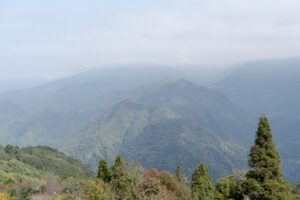
Located about 107 kilometers from Japan’s Yonaguni Island, Taiwan lies in the Pacific Ocean in East Asia. Owing to its lush greenery and beautiful island landscape, it was once called “Formosa,” meaning “beautiful island” in Portuguese. Roughly the same size as Kyushu, about 60% of Taiwan is covered by dense forests. These forests are home to a remarkable diversity of …
History of Taiwan’s Forests
Taiwan’s forests have long been intertwined with people’s lives, cultures, and economy, serving as a mirror of each era. Tracing the history of Taiwan’s forests reveals the path of those who lived with the forests through turbulent times.
Prehistoric Era – Late Qing Dynasty
Sustainable Forest Stewardship by Indigenous Peoples
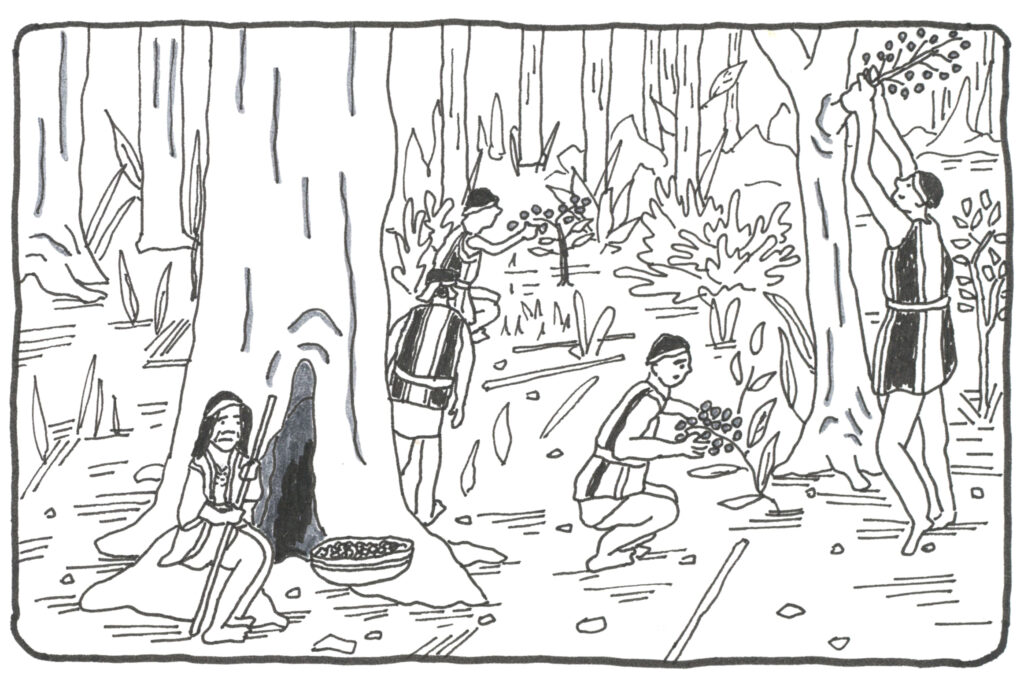
Since prehistoric times, Taiwan’s Indigenous peoples*1 have protected the island’s forests deeply tied with their cultures and spiritual beliefs. They regarded forests as sacred places and used their resources sustainably.
From the 17th century, settlers began clearing lowland forests for development. By the late Qing Dynasty (19th century), camphor had become one of Taiwan’s three major exports, alongside tea and sugar, driving extensive harvesting of natural camphor trees. Yet Indigenous peoples continued to protect the mountain forests from overlogging and development.
*1 Indigenous peoples: Taiwan officially recognizes 16 Indigenous groups with their own languages, cultures, and traditions, mainly in eastern and mountainous regions. The term Indigenous Peoples is used to reflect terminology used in Taiwan.
Japanese Colonial Period – End of World War II (1895–1945)
Large-Scale Forest Development under the Japanese Colonial Government
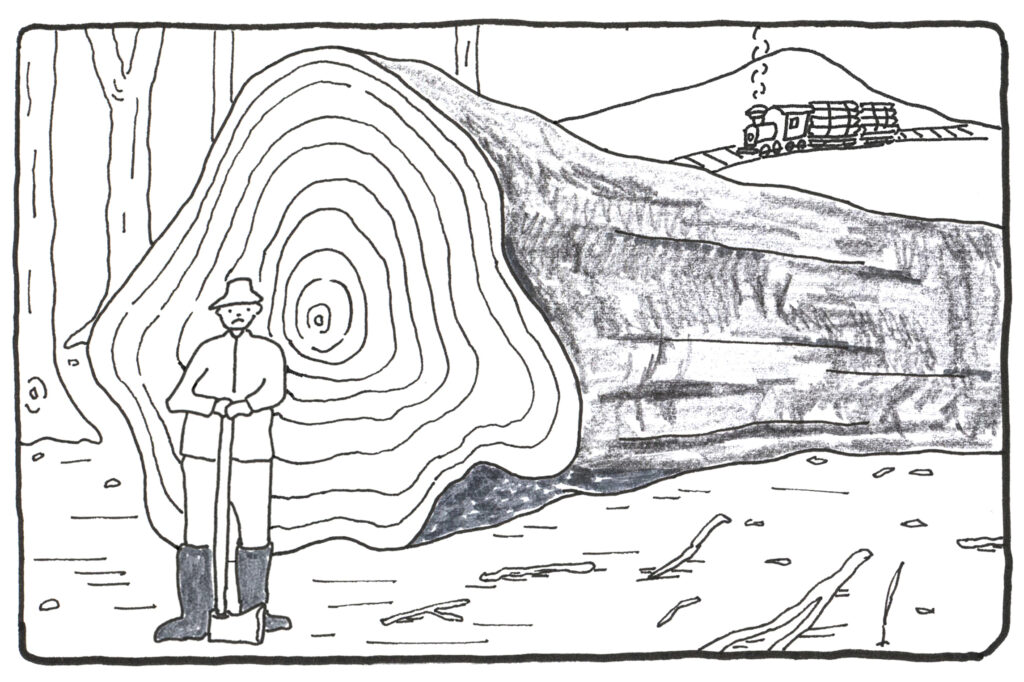
After Japan took control of Taiwan in 1895, the colonial government seized Indigenous forestlands and expanded forest development.
The opening of the Alishan Forest Railway in 1912 accelerated logging of Taiwan red cypress (Chamaecyparis formosensis) and Taiwan cypress (Chamaecyparis obtusa var. formosana). Alishan timer was widely used to build and restore shrines and temples in Japan.
In 1899, the Camphor Monopoly System placed camphor production, harvesting and replanting under state control. These policies continued until the end of World War II.
Postwar Period – 1980s
From Forest Exploitation to Environmental Conservation
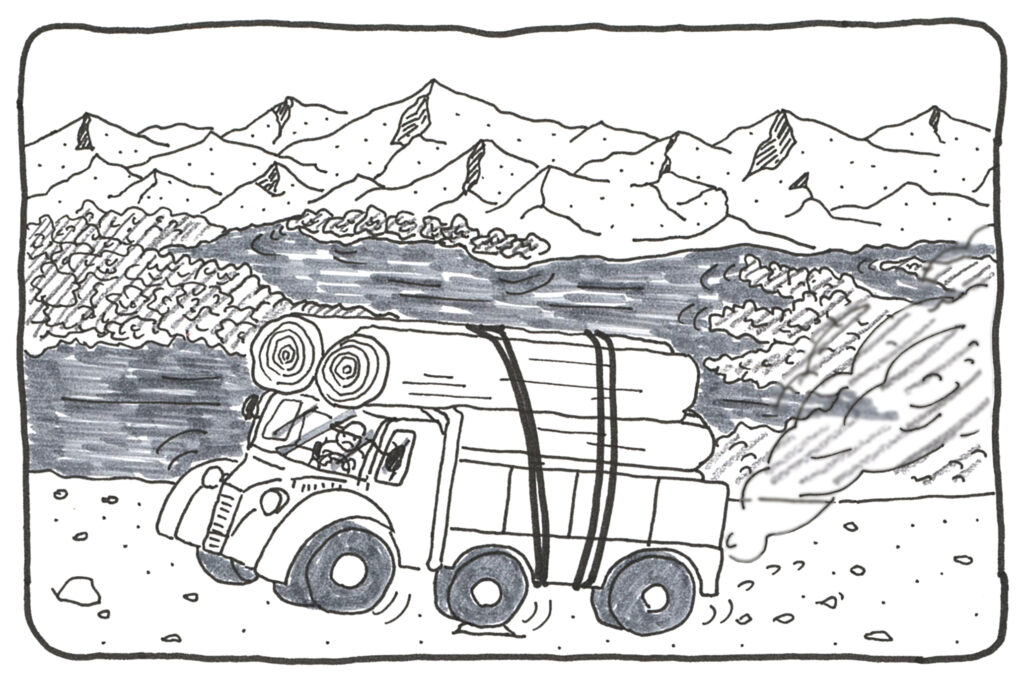
After World War II, forests nationalized under Japanese rule passed to the Taiwanese government, while Indigenous forest-use rights remained restricted.
Heavy logging, mountain orchards, and dams from the 1950s to the 1980s caused forest loss and ecological damage. As landslide risks grew, Taiwan began shifting from forest exploitation to conservation.
1990 – 2016
Environmental Conservation, the Decline of the Forestry Industry
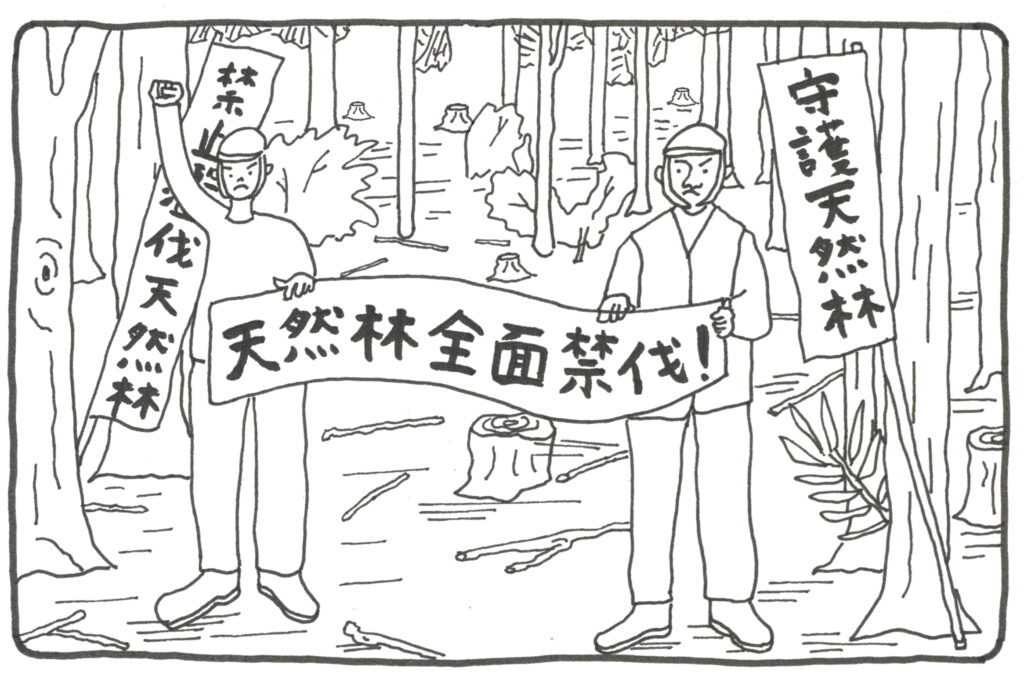
As environmental awareness grew, Taiwan banned logging of trees over 100 years old in 1990 and all natural-forest logging in 1991.
After severe typhoon-triggered landslides in 1996, the government launched a five-year National Afforestation Campaign” targeting 50,060 hectares.
Stricter conservation policies reduced plantation use, weakening forestry, lowering timber self-sufficiency, and leaving plantations neglected. They also contributed to the decline of Indigenous culture and increased reliance on tropical timber imports.
2017 – Present
Sustainable Forest Management through Government–Indigenous Collaboration
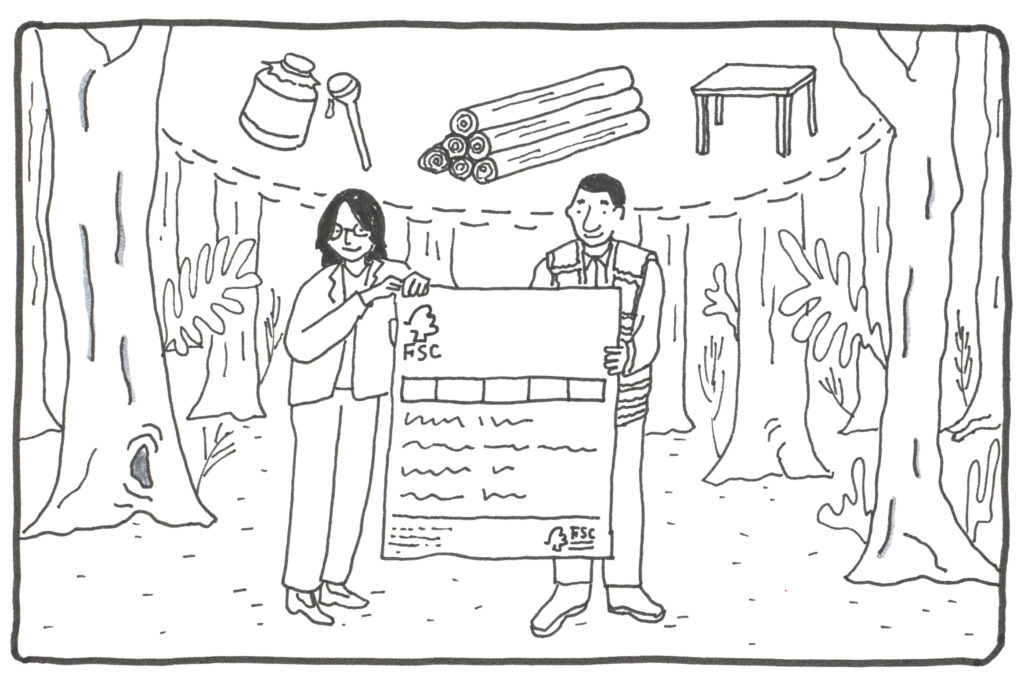
In 2017, Taiwan declared the “First Year of Domestic Timber” to raise timber self-sufficiency from a mere 0.5%. The government restored Indigenous peoples’ rights to use forest resources and promoted collaborative management for sustainable forestry and a circular economy.
To build public trust and address logging concerns, Taiwan pursued Forest Stewardship Council (FSC) Forest Management certification. Its first FSC-certified was established in 2018. By December 2024, all government-managed forests had been certified, making Taiwan the first public forest administration in the Asia-Pacific region to reach this milestone.
Taiwan is now advancing initiatives to expand domestic timber use and sustainable forest management, aiming to raise timber self-sufficiency to 5% by 2027.
SeriesInto Taiwan’s Beautiful Forests
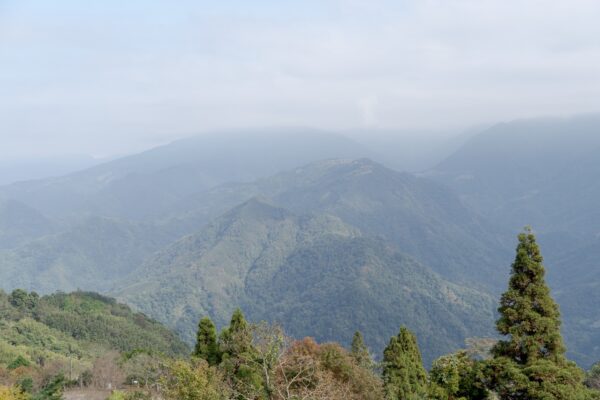
Into Taiwan’s Beautiful Forests
Located about 107 kilometers from Japan’s Yonaguni Island, Taiwan lies in the Pacific Ocean in East Asia. Owing to its lush greenery and beautiful island landscape, it was once called “Formosa,” meaning “beautiful island” in Portuguese. Roughly the same size as Kyushu, about 60% of Taiwan is covered by dense forests. These forests are home to a remarkable diversity of …

“Achieving 100% FSC® Certification” Reveals a New Future for Taiwan’s Forestry Industry
In December 2024, all forests managed by Taiwanese authorities achieved FSC certification *1. The total forest area covered is approximately 1.6 million ha, about 71.5% of Taiwan’s total forest area. Just five years after the initiative began, Taiwan has reached the highest certification rate in Asia. What is happening now in Taiwan’s forests? We spoke with Director General Lin Hwa-ching …
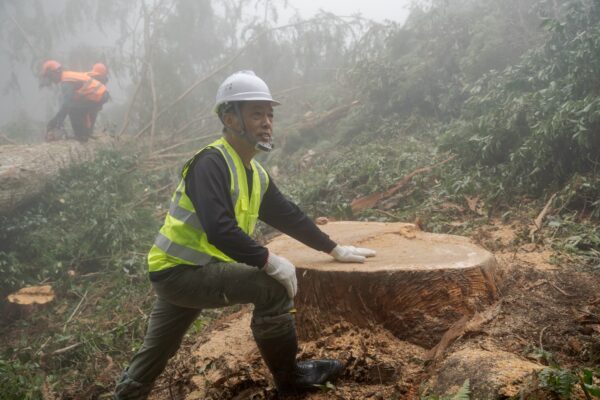
At the forefront of Taiwan’s green forestry
To the Mysterious ‘Cloud Forest’ It takes about 30 minutes from Taipei by Taiwan High Speed Rail (THSR). Hsinchu Station was bustling with people from early morning. This is the nearest station to the headquarters of TSMC (Taiwan Semiconductor Manufacturing Company), known as the world’s largest semiconductor foundry. TSMC employees commuting by high-speed rail streamed off the platform all at …
Related articles
Into Taiwan’s Beautiful Forests
Located about 107 kilometers from Japan’s Yonaguni Island, Taiwan lies in the Pacific Ocean in East Asia. Owing to its lush greenery and beautiful island landscape, it was once called “Formosa,” meaning “beautiful island” in Portuguese. Roughly the same size as Kyushu, about 60% of Taiwan is covered by dense forests. These forests are home to a remarkable diversity of …
History of Japanese Forestry
Japan is a forest nation with 70% of its land covered by forests. Forests have been indispensable for daily life, culture, and urban development. Ancient Times (the late 6th century) to the Early Modern Period (the 19th century) From the Asuka period (from the late 6th century) to the Edo period (until the 19th century), huge amounts of timber were …
“Achieving 100% FSC® Certification” Reveals a New Future for Taiwan’s Forestry Industry
In December 2024, all forests managed by Taiwanese authorities achieved FSC certification *1. The total forest area covered is approximately 1.6 million ha, about 71.5% of Taiwan’s total forest area. Just five years after the initiative began, Taiwan has reached the highest certification rate in Asia. What is happening now in Taiwan’s forests? We spoke with Director General Lin Hwa-ching …
At the forefront of Taiwan’s green forestry
To the Mysterious ‘Cloud Forest’ It takes about 30 minutes from Taipei by Taiwan High Speed Rail (THSR). Hsinchu Station was bustling with people from early morning. This is the nearest station to the headquarters of TSMC (Taiwan Semiconductor Manufacturing Company), known as the world’s largest semiconductor foundry. TSMC employees commuting by high-speed rail streamed off the platform all at …
A Year in the Life of a Lumberjack
The job of a lumberjack involves a series of tasks from planting trees, growing them, cutting them, and processing them into logs ready to be transported to the market. Spring After the logging is finished, the remaining tree tops, branches, cut underbrush, and weeds are cleared and organized in a process called “ground preparation.” This is followed by “seedling planting.” …

Forest and Wild Animals
What should you do if you encounter wild animals in the forest? We learned from lumberjack Mr. Maeda. Bears If you turn your back and run, the bear may chase and attack you. Instead, keep facing the bear and slowly back away. Throwing an items you’re carrying can also distract the bearand help you escape. Snakes Moving quickly can provoke …
