
SeriesInto Taiwan’s Beautiful Forests
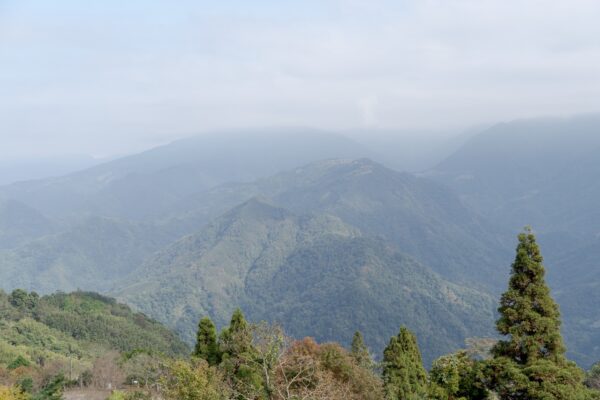
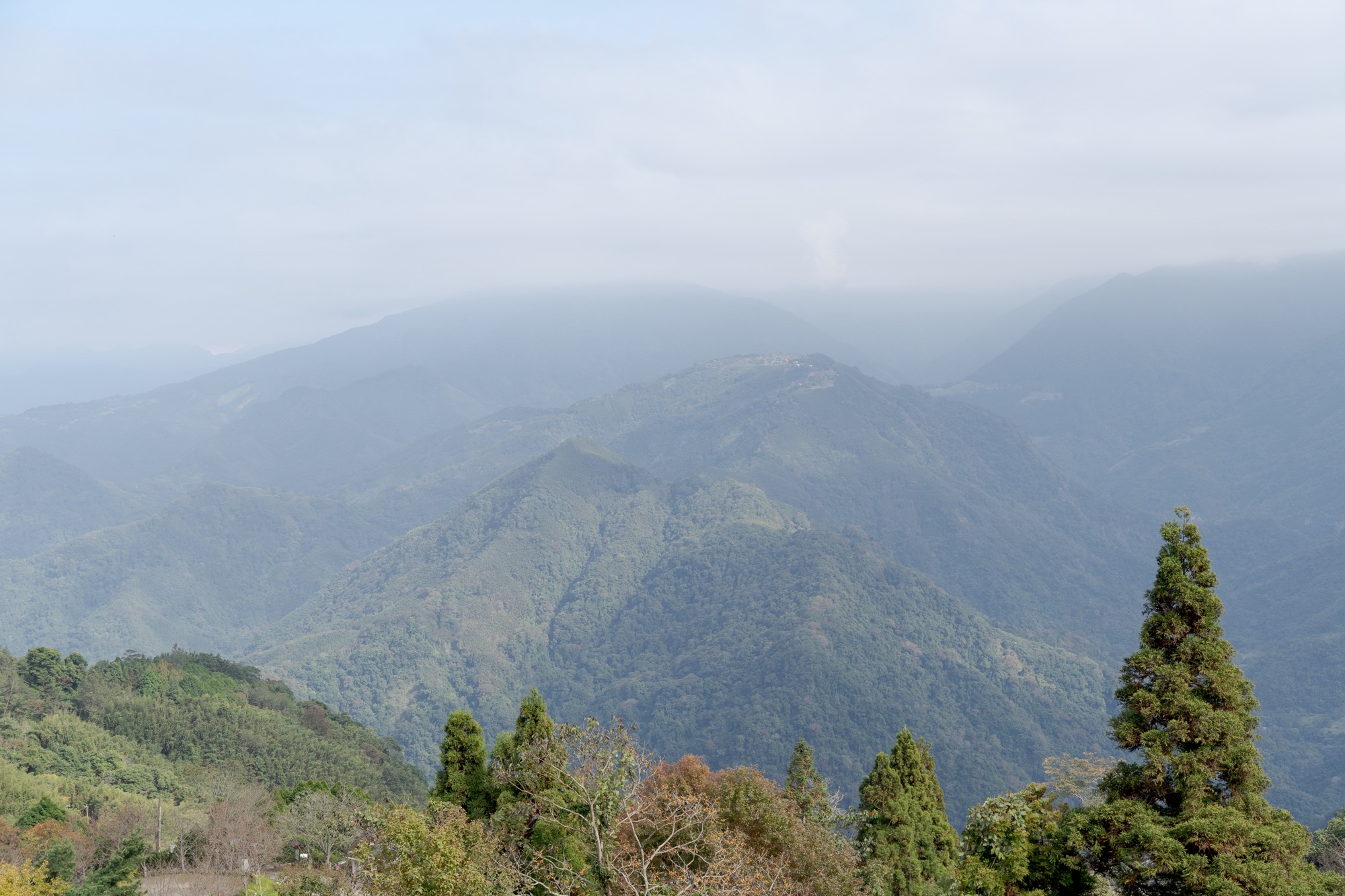
Located about 107 kilometers from Japan’s Yonaguni Island, Taiwan lies in the Pacific Ocean in East Asia. Owing to its lush greenery and beautiful island landscape, it was once called “Formosa,” meaning “beautiful island” in Portuguese. Roughly the same size as Kyushu, about 60% of Taiwan’s land is covered by dense forests. These forests are home to a remarkable diversity …
“Achieving 100% FSC® Certification for State-Owned Forests” Reveals a New Future for Taiwan’s Forestry Industry
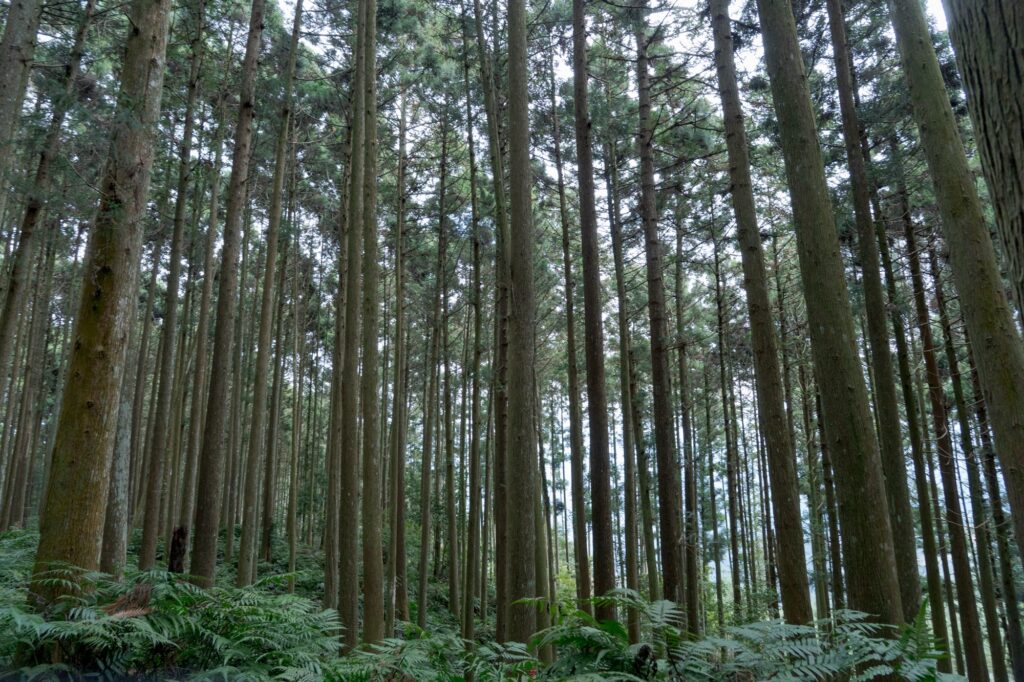
In December 2024, all forests managed by Taiwanese authorities achieved FSC certification *1. The total forest area covered is approximately 1.6 million ha, about 71.5% of Taiwan’s total forest area. Just five years after the initiative began, Taiwan has reached the highest certification rate in Asia. What is happening now in Taiwan’s forests? We spoke with Director General Lin Hwa-ching about the driver behind Taiwan’s pursuit of FSC certification and the future of Taiwan’s forestry industry. Director-General Lin has led this revitalization of Taiwan’s forestry sector since assuming office in 2016 as Director of the Forestry Bureau (now the Forestry and Nature Conservation Agency under the Ministry of Agriculture).
Lin Hwa-ching, Director-General of the Forestry and Nature Conservation Agency, Ministry of Agriculture
After serving as Deputy Director of the National Taiwan Museum and Deputy Researcher and Director of the Taipei Zoo, he was appointed Director-General of the Forestry Bureau (now the Forestry and Nature Conservation Agency) in 2016. Since then, he has spearheaded administrative reforms in Taiwan’s forestry sector—such as the introduction of FSC certification in state-owned forests and the promotion of the “understory economy”—with a strong emphasis on dialogue with Taiwanese society.
Taiwan’s Forests: A Complex History
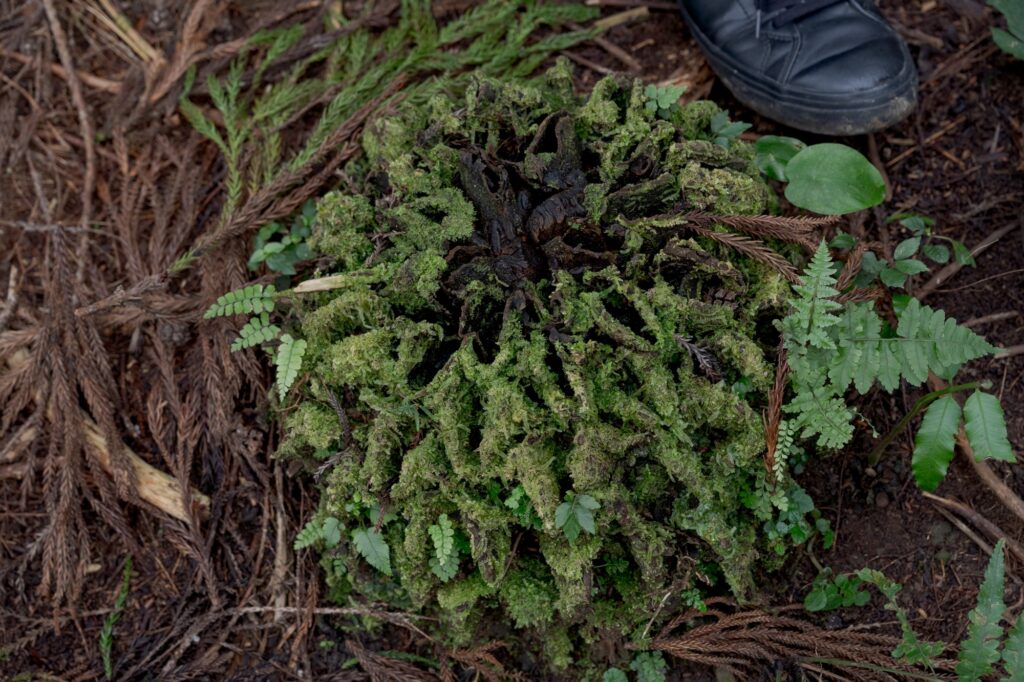
With forests covering about 60% of its land area and featuring many steep mountains, Taiwan’s forests may at first glance seem very similar to those of Japan’s. One major difference, however, lies in ownership. In Japan, state-owned forests account for roughly 30% of the country’s total forest area. In Taiwan, they make up about 90% of all forestlands. How many people realize that Japanese have played a significant role in Taiwan’s high proportion of state-owned forests?
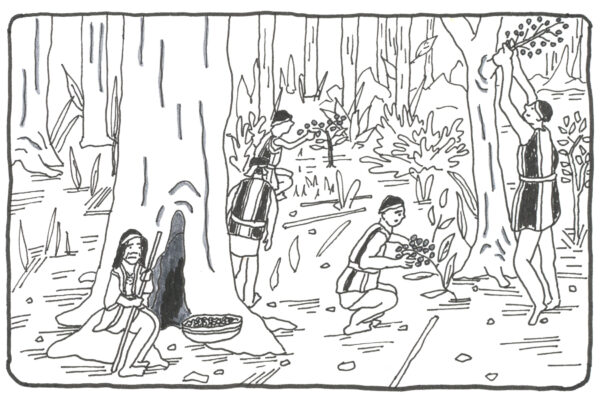
The forests of Taiwan, stewarded by indigenous peoples*2 since prehistoric times, were requisitioned by the Governor-General’s Office during the Japanese colonial period. This shift imposed severe restrictions on indigenous people’s land rights and forest use. Although the Governor-General’s Office subsequently formulated a forestry plan intended for sustainable use of timber resources, the outbreak of the Pacific War disrupted these initial afforestation efforts. As a result, most of Taiwan’s forests remained as primary natural forests, and large quantities of natural cypress and camphor trees were harvested until the end of the war.
*1 FSC (Forest Stewardship Council®): An international forest certification system aimed at promoting sustainable forest management worldwide from the perspectives of environmental conservation, social benefits, and economic viability.
*2 Taiwan Indigenous Peoples: Taiwan has 16 government-recognized tribes, each with its own language, culture, and traditions, primarily residing in the eastern and mountainous regions. Since “Indigenous Peoples” is the correct term in Taiwan, this website uses “Indigenous Peoples” to respect the local terminology.
Environmental Protection Movements and the Decline of Forestry
The forests managed by the Taiwan Governor-General’s Office were taken over by the Taiwanese authorities as state-owned forests after the war, and forest development reliant on the logging of natural forests continued. Subsequently, as economic development progressed after the war, indiscriminate logging intensified and deforestation became severe, leading to growing public sentiment in Taiwan that natural forests should be protected. In the late 1980s, the forest environmental protection movement expanded rapidly, and in 1991, the “Natural Forest Logging Ban” was enacted.
Since then, the concept of environmental protection in Taiwan has become entrenched with the view that even cutting trees in planted forests is an act contrary to environmental protection. Concerned about protests from environmental groups, Taiwanese authorities were unable to proceed with logging even in planted forests that had reached maturity, and Taiwan’s forestry industry was forced into decline.
Does “Cutting Trees = Environmental Destruction”?

Lin Hwa-Ching, who assumed the position of Director-General of the Forestry Bureau (now the Forestry and Nature Conservation Agency under the Ministry of Agriculture and Forestry) in 2016, recognized the urgency of this situation. At the time, Taiwan’s timber self-sufficiency rate had fallen below 0.5%, meaning nearly all the timber consumed in Taiwan was imported.
“Much of the imported timber at the time was harvested from natural forests in Southeast Asian countries, which also served as habitats for endangered species such as orangutans and hornbills. Furthermore, the transportation of imported timber consumes enormous amounts of energy and emits large quantities of CO2. These issues ran counter to the conservation of biodiversity and climate change mitigation efforts that we, as global citizens, should be addressing.”
The decline of the forestry industry resulted in new social challenges, including biodiversity loss due to reliance on imported timber, increased CO2 emissions from timber transport, the degradation of plantation forests, a shortage of successors among forestry workers, and the depopulation of mountain villages.
“Plantation forests inherently require proper management, such as thinning. Furthermore, compared to materials like steel and concrete, timber requires less energy for manufacturing and processing and is a renewable resource. Therefore, in the year I assumed the position of Director of the Forestry Bureau, I told my colleagues that we needed to resume proper management of plantation forests. Within the bureau, there were opposing views aimed at avoiding unnecessary backlash from Taiwanese society. So, after more than six months of repeated discussions with my colleagues, we declared 2017 the ‘Year One of Domestic Timber.’ In this way, the Forestry Bureau eased the logging ban policy that had been in place for over 20 years regarding Taiwan’s indigenous peoples and shifted course toward a policy aimed at improving the self-sufficiency rate of domestic timber.”
Why FSC Certification Was Chosen
“However, due to past forestry policies that led to environmental destruction, Taiwanese society harbored distrust toward the Forestry Bureau at the time. Therefore, we created various opportunities for dialogue with the general public to explore the future direction of Taiwan’s forestry sector. We also believed that by undergoing an audit by an independent third-party certification body, we could demonstrate that the harvesting of plantation forests is an environmentally friendly process that generates revenue, thereby earning the trust of domestic environmental groups and the general public. This was the reason we decided to pursue FSC certification.”
The FSC certification system was introduced as a means of gaining public trust. But among the many certification bodies available, what was the Forestry Bureau Director’s reason for choosing FSC?
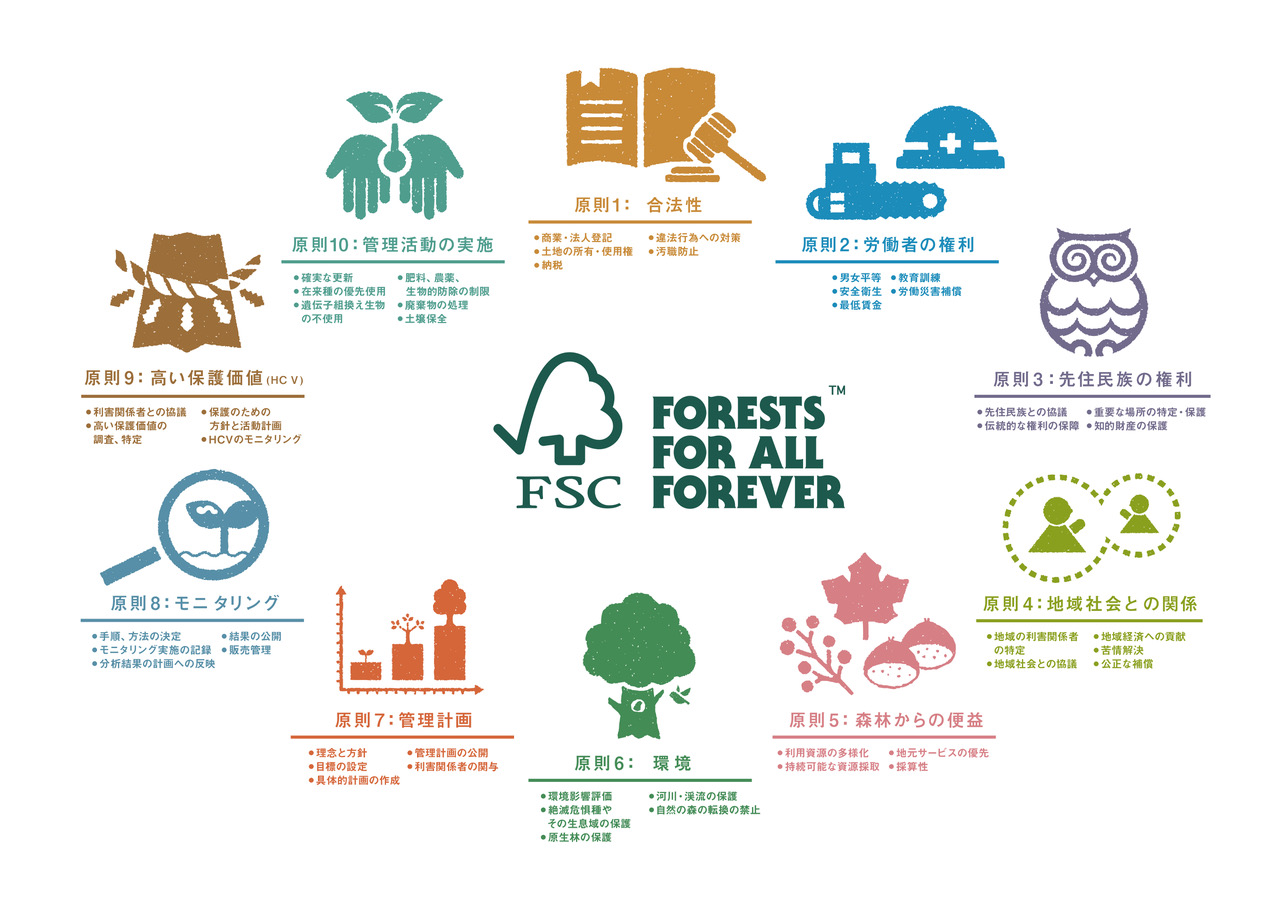
“In Taiwan, approximately 90% of state-owned forests are traditional territories of Indigenous peoples. Due to restrictions on Indigenous peoples’ forest use rights that have persisted since the end of World War II, a complex history of tension has existed between the Forestry Bureau and Indigenous communities for decades. It is precisely this historical context that makes the introduction of FSC certification all the more necessary.
FSC emphasizes comprehensive consideration of environmental, social, and economic factors in forest management and development, and strongly advocates for the informed consent and participation of local communities and tribes. It also addresses the protection of the rights of forestry workers. This philosophy is one with which I strongly identify. However, in 2017, the understanding of indigenous peoples among government officials was focused solely on economic aspects, while awareness of environmental and social issues was relatively limited. This is naturally related to the fact that the education these officials had received had overlooked significant social aspects within Taiwan’s unique context—a society where diverse ethnic groups coexist and where historical circumstances are intricately intertwined. That is precisely why I believed that introducing the FSC certification system would provide an opportunity for the agency’s staff to deepen their understanding not only of the economic aspects of forest management but also of its social and environmental dimensions.”
Fostering a Shared Understanding of Social Challenges

“When promoting the introduction of FSC, the biggest challenge was changing the staff’s traditional mindset. Additionally, since the Forestry Bureau already had its own forest management plan, it was necessary to reduce the operational burden caused by the coexistence of two forest management systems. Therefore, while conducting training for all staff, we also worked to simplify internal regulations and administrative procedures, gradually improving both staff awareness and operational processes.
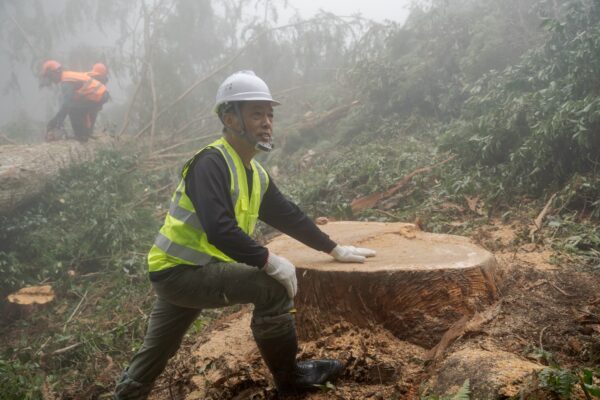
To obtain certification, we launched a pilot project in the Pingtung District in the south and secured FSC certification there first. Subsequently, leveraging the experience gained from this pilot, we gradually obtained certifications for all regions. In fact, what we initially found most unfamiliar was logging activities in plantation forests. Previously, we would log the trees, hold a bidding process, and if a contractor won the bid, we would proceed with it as a single project. However, now we must first hold discussions with the local tribes and obtain their consent. Initially, some staff members expressed dissatisfaction, asking why we needed to go out of our way to explain things to the tribes, and there were cases where we struggled to obtain their consent. But now, this process is gradually being accepted as the norm. This is extremely important because, in Taiwan’s forest management, the Indigenous peoples are the most critical stakeholders.
By accepting this new system, the Indigenous side also experiences some degree of intervention or influence, such as inviting experts with specialized knowledge to participate in their tribes and communities. In any case, over the past few years, both our staff and the Indigenous side have learned ways of thinking that are vastly different from the past and have gradually adapted to these processes.”
The Director-General Lin’s goal was for the FSC certification process—which requires the consent of local communities and tribes—to foster two-way communication and cultivate a shared understanding of social issues. This shared understanding led to proactive problem-solving and swift decision-making among stakeholders, ultimately resulting in the achievement of “100% in five years.” It is truly an administrative reform that embodies the proverb “Haste makes waste.”
A New Future Built on Sustainable Forestry and Nature Conservation
With all state-owned forests obtaining FSC certification in 2024, Taiwan’s forestry sector has entered a new era. The Forestry Bureau was renamed the Forestry and Nature Conservation Agency under the Ministry of Agriculture and Forestry, and its role shifted from merely promoting forestry to advancing “sustainable forestry” and “harmonious coexistence between people and nature.” It has worked to improve the self-sufficiency rate of domestic timber, integrate forest management with the rights and interests of local indigenous peoples, implement co-management of forests, revitalize mountain village economies, and build an ecological network *3.
“Nowadays, public questions like ‘Why cut down trees?’ have gradually become less frequent. This indicates that we are gradually gaining the trust of society. Even the environmental protection organizations most dedicated to forest conservation in Taiwan have conducted on-site inspections, determined that there are no issues, and welcomed this direction. “At first glance, forestry issues may appear to be purely environmental problems, but in reality, social and economic issues lie beneath the surface. That is precisely why we are working to bring about improvements from both social and economic perspectives, thereby resolving environmental issues as well. This aligns with the principles of the FSC and will serve as the foundation for Taiwan’s forestry sector moving forward.”
The FSC certification system is a means to achieve sustainable forest management, not an end in itself. We must not forget that the true value lies in the process of obtaining certification. (December 3, 2025, On-site Report)
*3 Ecological Network: An initiative to organically connect habitats (core areas) such as forests, rivers, farmland, and urban green spaces to ensure the movement and interaction of wildlife
SeriesInto Taiwan’s Beautiful Forests
Into Taiwan’s Beautiful Forests
Located about 107 kilometers from Japan’s Yonaguni Island, Taiwan lies in the Pacific Ocean in East Asia. Owing to its lush greenery and beautiful island landscape, it was once called “Formosa,” meaning “beautiful island” in Portuguese. Roughly the same size as Kyushu, about 60% of Taiwan’s land is covered by dense forests. These forests are home to a remarkable diversity …
At the forefront of Taiwan’s green forestry
To the Mysterious ‘Cloud Forest’ It takes about 30 minutes from Taipei by Taiwan High Speed Rail (THSR). Hsinchu Station was bustling with people from early morning. This is the nearest station to the headquarters of TSMC (Taiwan Semiconductor Manufacturing Company), known as the world’s largest semiconductor foundry. TSMC employees commuting by high-speed rail streamed off the platform all at …
History of Taiwan’s Forests
Taiwan’s forests have long been intertwined with people’s lives, cultures, and economy, serving as a mirror of each era. Tracing the history of Taiwan’s forests reveals the path of those who lived with the forests through turbulent times. Prehistoric Era – Late Qing Dynasty Sustainable Forest Stewardship by Indigenous Peoples Since prehistoric times, Taiwan’s Indigenous peoples have protected the island’s …
Related articles
Into Taiwan’s Beautiful Forests
Located about 107 kilometers from Japan’s Yonaguni Island, Taiwan lies in the Pacific Ocean in East Asia. Owing to its lush greenery and beautiful island landscape, it was once called “Formosa,” meaning “beautiful island” in Portuguese. Roughly the same size as Kyushu, about 60% of Taiwan’s land is covered by dense forests. These forests are home to a remarkable diversity …
At the forefront of Taiwan’s green forestry
To the Mysterious ‘Cloud Forest’ It takes about 30 minutes from Taipei by Taiwan High Speed Rail (THSR). Hsinchu Station was bustling with people from early morning. This is the nearest station to the headquarters of TSMC (Taiwan Semiconductor Manufacturing Company), known as the world’s largest semiconductor foundry. TSMC employees commuting by high-speed rail streamed off the platform all at …
Into Taiwan’s Beautiful Forests
Located about 107 kilometers from Japan’s Yonaguni Island, Taiwan lies in the Pacific Ocean in East Asia. Owing to its lush greenery and beautiful island landscape, it was once called “Formosa,” meaning “beautiful island” in Portuguese. Roughly the same size as Kyushu, about 60% of Taiwan’s land is covered by dense forests. These forests are home to a remarkable diversity …
History of Japanese Forestry
Japan is a forest nation with 70% of its land covered by forests. Forests have been indispensable for daily life, culture, and urban development. Ancient Times (the late 6th century) to the Early Modern Period (the 19th century) From the Asuka period (from the late 6th century) to the Edo period (until the 19th century), huge amounts of timber were …
