
Into Taiwan’s Beautiful Forests
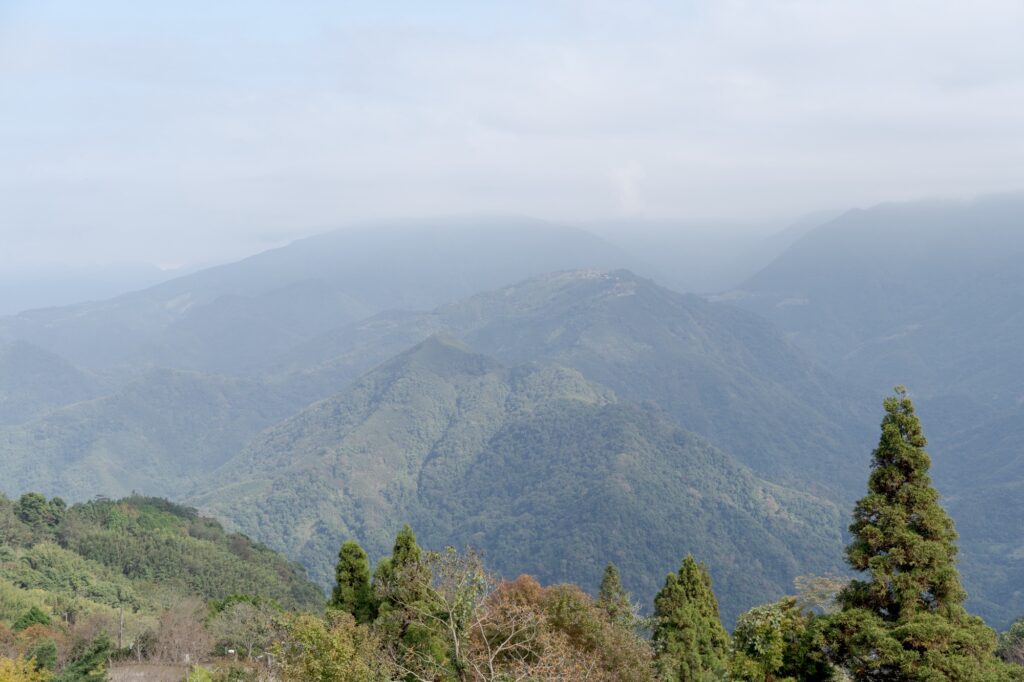
Located about 107 kilometers from Japan’s Yonaguni Island, Taiwan lies in the Pacific Ocean in East Asia. Owing to its lush greenery and beautiful island landscape, it was once called “Formosa,” meaning “beautiful island” in Portuguese.
Roughly the same size as Kyushu, about 60% of Taiwan’s land is covered by dense forests. These forests are home to a remarkable diversity of flora and fauna, shaped by the island’s steep terrain with mountains rising over 3,000 meters, and its unique geographic conditions, with the Tropic of Cancer running across the southeastern region. As a result, ecosystems range from tropical zones to subalpine (high-mountain) environments.
Taiwan’s forests, which have nurtured diverse life forms, were protected for thousands of years by the Indigenous peoples* who have lived here since prehistoric times. However, about 130 years ago, Taiwan entered a period of dramatic change during Japanese rule. Following large-scale forest exploitation and subsequent logging bans, Taiwan’s forests and forestry industry are now at a major turning point.
In this special feature on Taiwan, we look back on 130 years of forest history while visiting people who are shaping the forests of the next century. We also introduce the culture and spirit deeply connected to Taiwan’s nature, as well as its ties with Japan.
*Note on terminology: In Taiwan, the term “Indigenous peoples” is the appropriate designation. This site respects local usage and therefore adopts this term.

“Achieving 100% FSC® Certification for State-Owned Forests” Reveals a New Future for Taiwan’s Forestry Industry
In December 2024, all forests managed by Taiwanese authorities achieved FSC certification *1. The total forest area covered is approximately 1.6 million ha, about 71.5% of Taiwan’s total forest area. Just five years after the initiative began, Taiwan has reached the highest certification rate in Asia. What is happening now in Taiwan’s forests? We spoke with Director General Lin Hwa-ching …
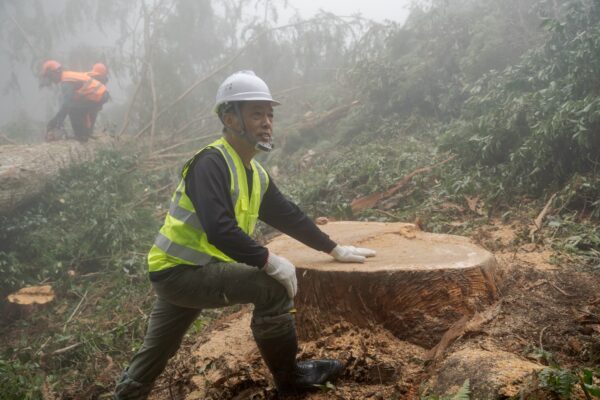
At the forefront of Taiwan’s green forestry
To the Mysterious ‘Cloud Forest’ It takes about 30 minutes from Taipei by Taiwan High Speed Rail (THSR). Hsinchu Station was bustling with people from early morning. This is the nearest station to the headquarters of TSMC (Taiwan Semiconductor Manufacturing Company), known as the world’s largest semiconductor foundry. TSMC employees commuting by high-speed rail streamed off the platform all at …
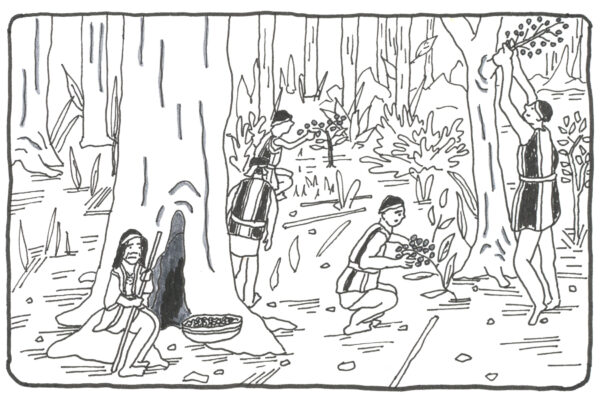
History of Taiwan’s Forests
Taiwan’s forests have long been intertwined with people’s lives, cultures, and economy, serving as a mirror of each era. Tracing the history of Taiwan’s forests reveals the path of those who lived with the forests through turbulent times. Prehistoric Era – Late Qing Dynasty Sustainable Forest Stewardship by Indigenous Peoples Since prehistoric times, Taiwan’s Indigenous peoples have protected the island’s …
